
Imagine Learning Approved for CO READ Act


The Colorado Reading to Ensure Academic Development Act (READ Act), passed by the Colorado legislature in 2012, focuses on early literacy development for K–3 students — especially for those at risk of not reading at grade level by the end of the third grade. Individual READ plans support students whose test results show they are reading below grade level.
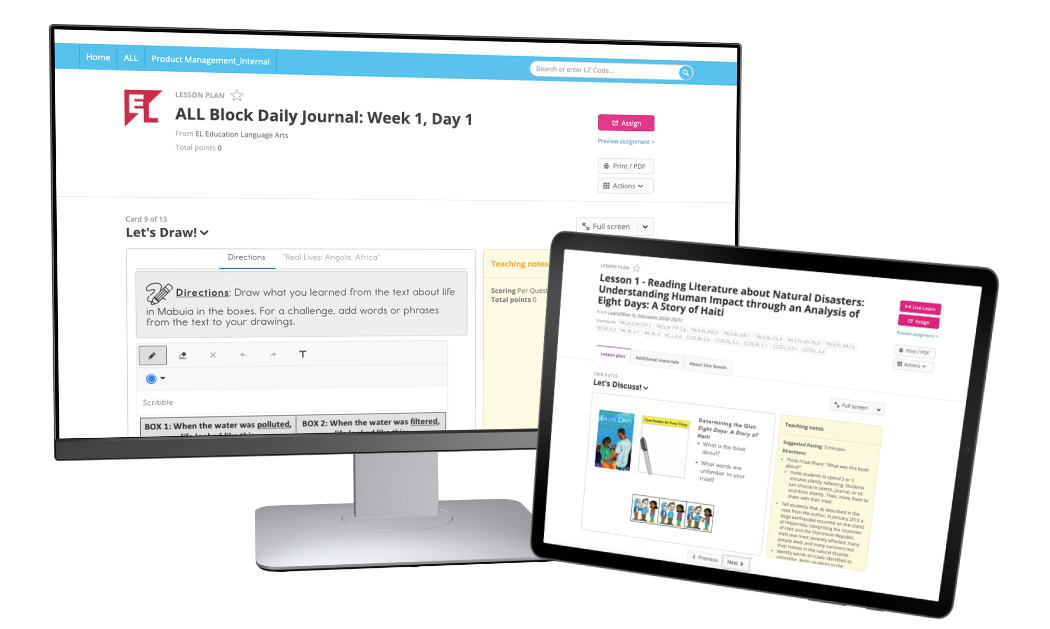
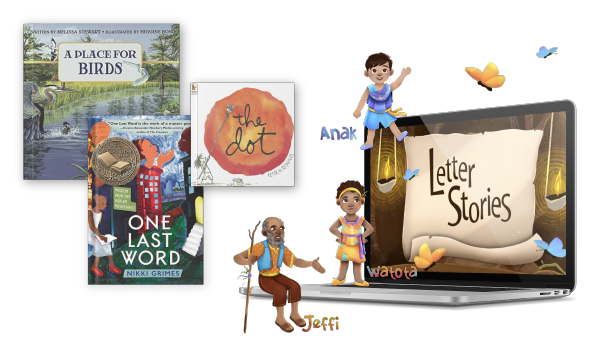

Supplemental & Intervention
READ Act-Approved Supplemental and Intervention Programs
As an addition to core literacy instruction, supplemental and intervention programs should address one or more of the five components of reading with intentional focus, be guided by assessment data, utilize a scope and sequence, and be delivered with sufficient intensity, frequency, urgency, and duration.

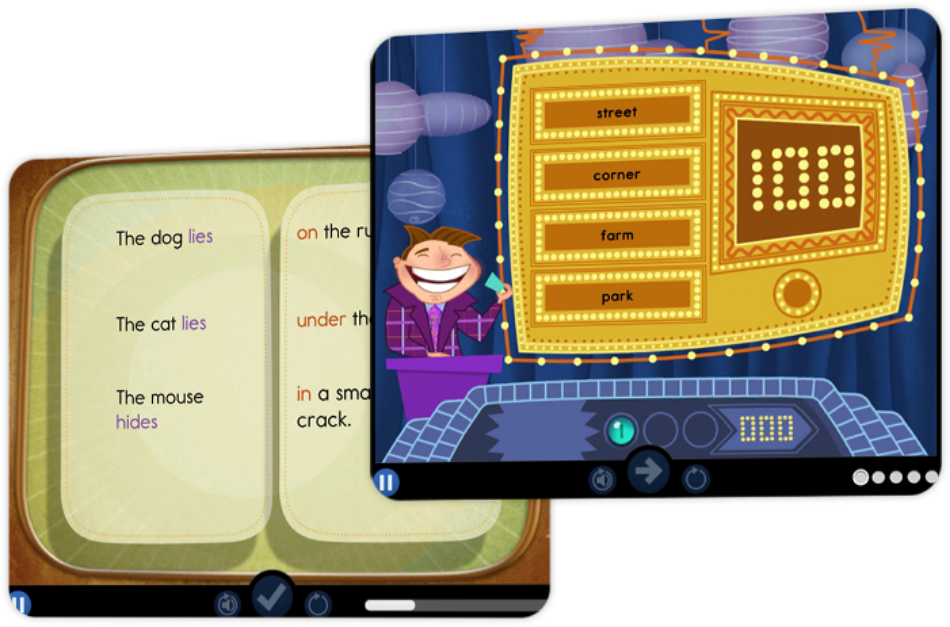
Imagine Language & Literacy® provides instruction and practice in all four literacy domains — reading, writing, listening, and speaking. As students in PreK–6 explore and practice skills, their individualized learning sequence adjusts dynamically to maximize their engagement and progress.
- Provides explicit, systematic, multisensory, and multimodal instruction
- Adaptive instruction improves achievement for struggling readers, English learners, and exceptional students
- Honors students’ home languages with audio supports in 15 languages
- Works in 60–90 minutes of active time per week
- Proven to increase reading proficiency
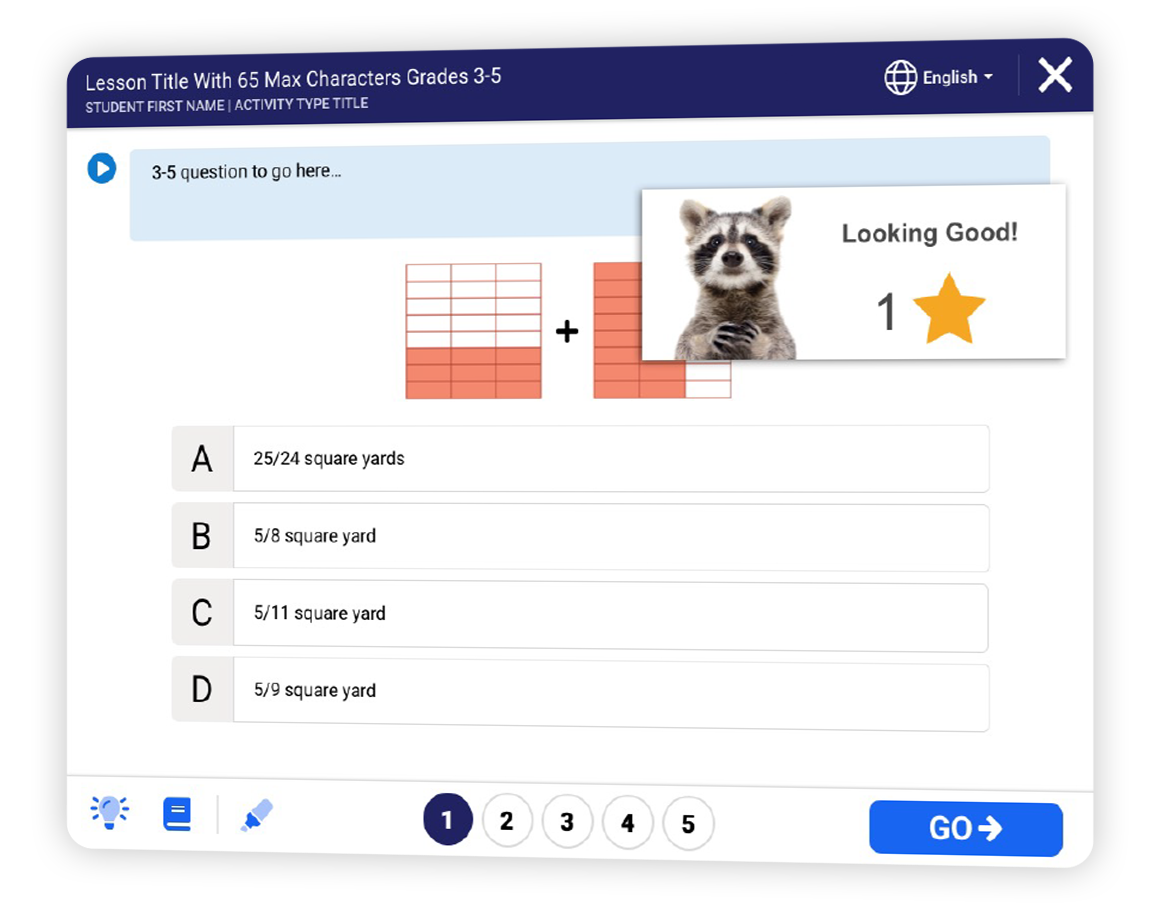

Imagine MyPath® K–12 is designed to maximize reading through personalized learning paths that prioritize the essential skills students need. As students move from intervention to supplemental grade-level practice and beyond, Imagine MyPath continues to deliver adaptive lessons.
- Provides explicit and systematic instruction
- Improves achievement for struggling readers
- Supports English learners with read-aloud support in more than 45 languages and Spanish-language math lessons
- Works in 60–90 minutes of active time per week


Supplemental
Evidence-Based Spanish Language Instruction
Imagine Español® is a Spanish language arts solution that develops literacy skills in emerging bilingual students through adaptive, standards-aligned instruction. Students receive direct, explicit, and systematic instruction across all four language domains, strengthening their skills and enhancing overall academic success.

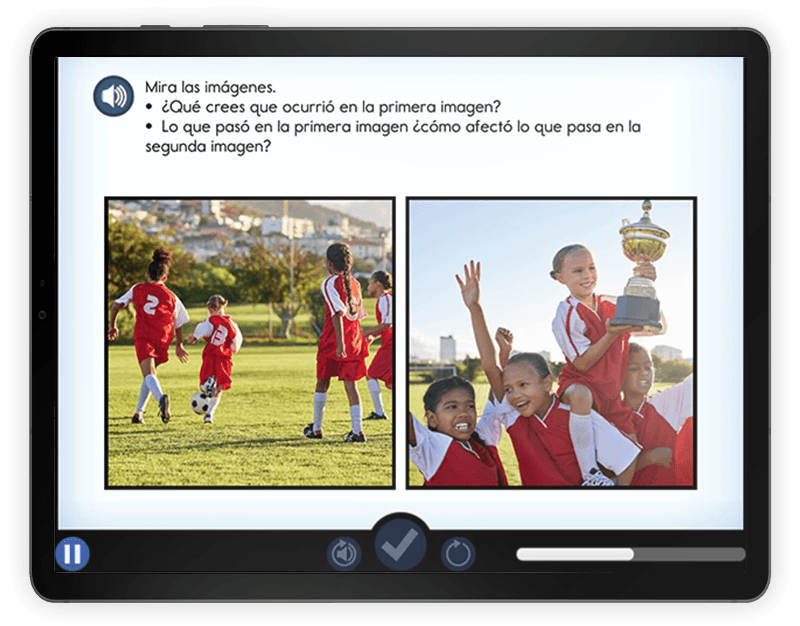
Listening & speaking
Students practice authentic speech in a variety of contexts by responding to visuals or text, telling a story, or recounting an experience.
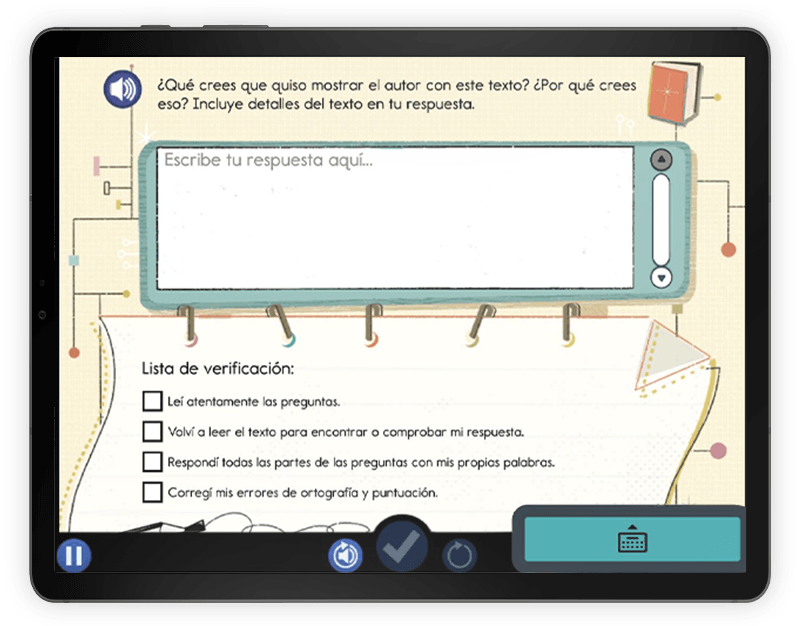
Reading & writing
Students write a response to a comprehension question relating to a literary or informational text they have just read, and then evaluate their response with a writing checklist.
Aligned to the science of reading
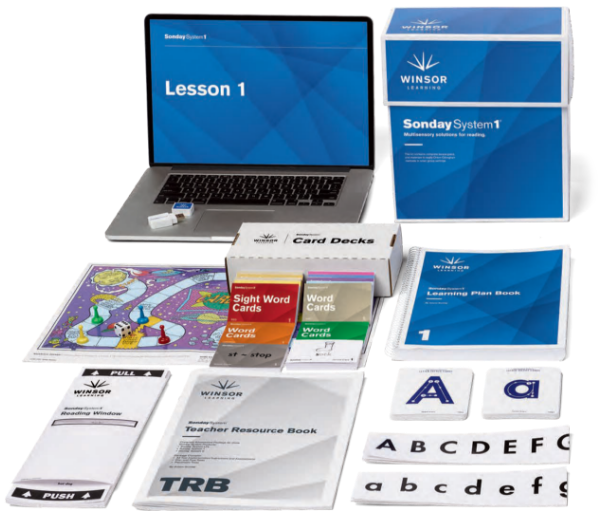
Imagine Sonday System, a digital, print, or hybrid program, gives educators access to easy-to-use lessons based on the science of reading, with instruction that is:
- Evidence-based
- Diagnostic
- Multisensory
- Explicit and direct
- Structured, sequential, and cumulative
Intervention
READ Act-Approved Intervention Program
Intervention programs provide science-based, high-quality instruction and progress monitoring to students who are below proficient in reading. Intervention intensity is matched to student needs. Instruction can be intensified through more time, more targeted instruction, and smaller group sizes.
